

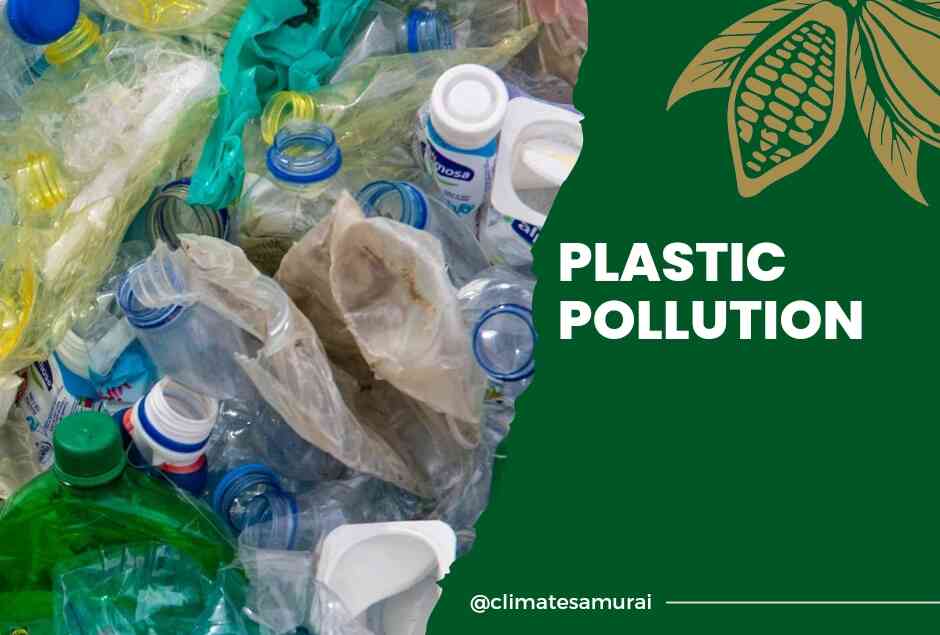
Unmask the surprising sources of plastic pollution in your everyday items, from tea bags to your wardrobe, and learn how to make sustainable swaps for a healthier planet.
You’ve made a conscious effort to ditch single-use plastic bags, embraced your reusable coffee cup, and perhaps even started scrutinizing product packaging. But what if we told you that despite your best intentions, a surprising amount of plastic might still be hiding in plain sight within your home?
The truth is, plastics are ubiquitous, often integrated into everyday items in ways you’d never suspect. These “hidden plastics” contribute significantly to global pollution and microplastic contamination, silently making their way into our environment and even our bodies. Becoming aware of these stealthy plastic culprits is the crucial first step toward making truly sustainable choices.
The Unseen Plastic Culprits: A Deep Dive
Let’s pull back the curtain on 10 common household items secretly harboring plastic:
- Your Morning Brew: The Tea Bag Trap
That comforting cup of tea might come with an unwanted side of plastic. Many commercial tea bags contain a thin layer of polypropylene, a plastic that helps them maintain their shape in hot water. Unfortunately, this means microplastics can leach into your tea with every sip.
The Solution: Opt for loose-leaf tea and a reusable metal or silicone infuser. - That Satisfying Chew: The Gum Conundrum
Think about what you’re chewing on. Modern chewing gum bases are often synthetic polymers, essentially plastics. These aren’t biodegradable and can contain chemicals linked to health concerns.
The Solution: Consider reducing your gum consumption or exploring natural gum alternatives. - Kitchen Workhorses: Sponges and Dishcloths
Your trusty kitchen sponge could be a microplastic factory. Many are made from polyurethane or other synthetic fibers that shed tiny plastic particles with each scrub and are rarely recyclable.
The Solution: Switch to natural alternatives like loofahs, cellulose sponges, or bamboo brushes. - The Pantry Paradox: Canned Goods and Food Containers
Looks can be deceiving. Many food cans and containers, despite appearing metallic or cardboard, are lined with plastic to prevent corrosion or contamination. This lining can leach chemicals, especially when in contact with acidic foods.
The Solution: Prioritize glass or stainless steel containers for food storage at home. - Convenience’s Cost: The Wet Wipe Problem
Seemingly innocent, most wet wipes contain polyester fibers, making them a type of plastic. This means they’re non-biodegradable and a notorious culprit for sewer blockages.
The Solution: Embrace washable cloths or seek out truly biodegradable wipe alternatives. - Laundry Day’s Little Secret: Pods and Microfibers
Those convenient laundry and dishwasher pods are often wrapped in PVA, a type of plastic. Furthermore, many detergents themselves contain microplastics. And don’t forget your synthetic clothes, which shed plastic microfibers during every wash and dry cycle.
The Solution: Choose plastic-free detergents and prioritize clothing made from natural fibers. - Your Daily Routine: Toothpaste and Personal Care
From toothpaste to shower gels, shampoos, and cosmetics, many personal care products contain microplastic beads or polymers for exfoliation or binding.
The Solution: Look for products explicitly labeled “plastic-free” or those that use natural exfoliants. - A Lingering Litter: Cigarette Filters
Often overlooked, cigarette butts are not just organic waste. They contain cellulose acetate, a plastic that can persist in the environment for years, making them a significant source of plastic pollution.
The Solution: Proper disposal and, ideally, quitting smoking can drastically reduce this pollutant. - Packaging’s Plastic Layer: From Crisps to Coffee
Many everyday packaging materials, like crisp packets, coffee filters, and even Tetra Pak cartons, incorporate plastic films or linings to maintain freshness. These layers often prevent them from biodegrading effectively.
The Solution: Reduce your consumption of highly packaged foods, recycle diligently where possible, and consider buying in bulk. - Sparkle with a Side of Pollution: Glitter
That festive glitter might be pretty, but it’s made of microplastics. It easily finds its way into water systems, posing a threat to wildlife and ecosystems.
Awareness is the bedrock of change. By understanding where these hidden plastics reside in your home, you’re empowered to make more informed decisions. Every small shift counts: choosing natural materials, opting for plastic-free personal care and cleaning products, and embracing reusable or glass storage. Together, these incremental changes can significantly reduce your household’s contribution to plastic pollution, paving the way for a healthier planet.
What hidden plastics have you discovered in your home, and what swaps have you made?