

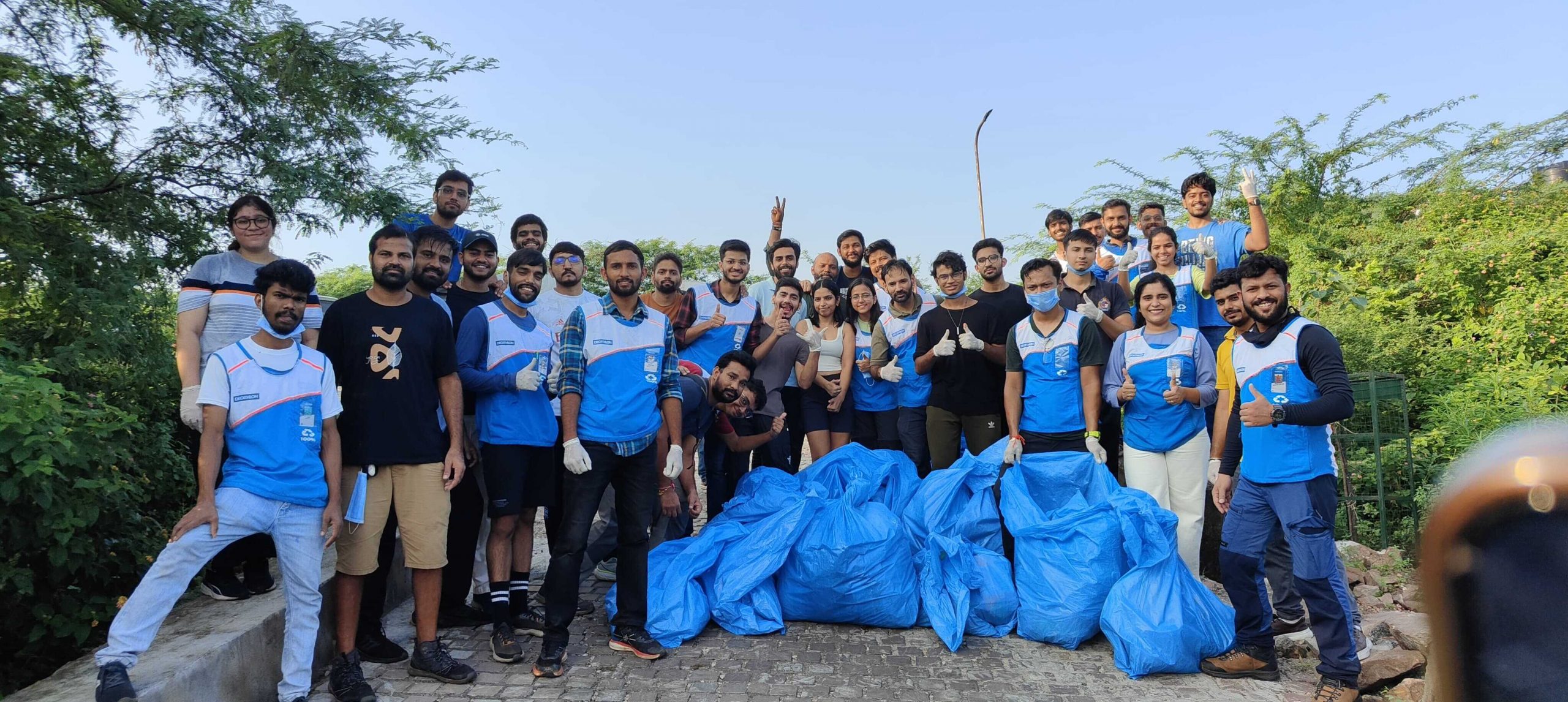
Sports retail giant strengthens sustainability mission with cleanups, circular economy initiatives, and a net-zero 2050 goal
Decathlon, the global multi-specialist sports brand, has announced the nationwide rollout of its 8th edition of World Cleanup Day 2025, bringing together more than 6,000 participants across 50+ events in India. The initiative, held in partnership with NGOs, local authorities, and volunteers, will mobilize citizens to clean beaches, lakes, forests, and playgrounds—highlighting the power of collective action in protecting natural ecosystems.
Building on last year’s success, where 3,600 volunteers collected over 7,000 kilograms of waste, this year’s campaign further reinforces Decathlon’s belief that “the world is our playground.” Participants will take part in diverse cleanup activities such as plogging during hikes, beach cleanups, lake restoration, and neighborhood playground cleanups.
Speaking on the initiative, Annie George, Leader – Sustainable Development, Decathlon India, said: “World Cleanup Day gives us an opportunity to stand by our mission and demonstrate our belief that the ‘world is our playground.’ We are committed to reducing and managing waste across our value chain and aim to give purpose to 100% of our operational waste through recycling and scientific disposal.”
Decathlon’s Sustainability Commitments
Alongside organizing cleanup drives, Decathlon is integrating circular economy practices into its business model, with initiatives such as repair services, buyback and resale programs, and its Second Life initiative to make sports affordable while reducing waste. The brand collaborates with specialized waste management partners to ensure responsible recycling and energy recovery of collected waste.
Decathlon’s broader sustainability strategy includes:
- Ecodesign: Developing products with reduced environmental impact using recycled materials and sustainable manufacturing processes.
- Circular Economy: Expanding second-life products, repair services, and recycling programs.
- Plastic Reduction: Phasing out single-use plastics and reducing plastic use in packaging and logistics.
- Decarbonization: Transitioning to renewable energy in stores and warehouses while supporting suppliers in adopting low-carbon strategies.
- Water Management: Auditing supplier practices to reduce industrial water pollution and promote sustainable water use.
- Net-Zero by 2050: Achieving net-zero greenhouse gas emissions across its global value chain by mid-century.
Through initiatives like World Cleanup Day 2025, Decathlon is positioning itself as not just a sports brand, but a sustainability leader committed to environmental stewardship and a healthier planet.