

Apollo Hospitals’ neurologist advises switching to indoor fitness routines when AQI crosses 150 to protect lungs and heart health
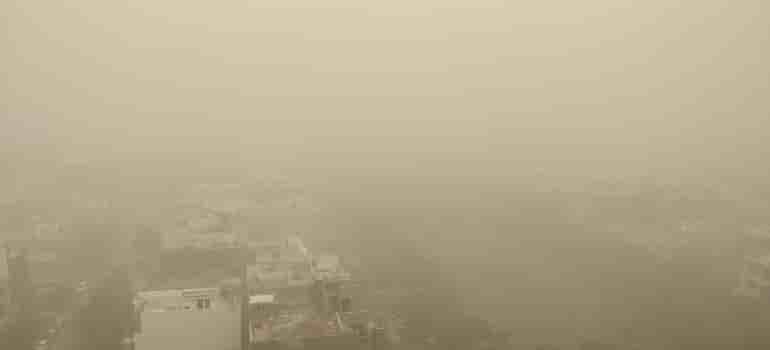
As India’s air quality deteriorates once again, doctors are urging citizens—especially fitness enthusiasts—to rethink their outdoor exercise routines. With Air Quality Index (AQI) levels crossing the “poor” mark in several Indian cities, health experts warn that running or working out outdoors may do more harm than good.
Dr. Sudhir Kumar, senior neurologist at Apollo Hospitals, Hyderabad, recently shared his insights on X (formerly Twitter), explaining the health risks of exercising outdoors in polluted air. Responding to a follower’s question about whether running for 30 minutes in an AQI of around 200 is advisable, Dr. Kumar offered a clear, science-backed perspective: “When air quality is severely compromised, it’s safer to skip outdoor workouts and exercise indoors instead.”
The Hidden Health Cost of Outdoor Exercise
Dr. Kumar noted that while running and other aerobic activities improve cardiovascular health, metabolism, and mental well-being, these benefits quickly diminish in polluted environments. During physical exertion, the lungs take in 10–20 times more air than at rest, pulling harmful pollutants such as PM2.5 and ozone deep into the respiratory system.
He explained that high exposure to these pollutants can trigger airway inflammation, oxidative stress, reduced lung capacity, and elevated blood pressure—all of which contribute to long-term risks like heart disease and stroke. For people with asthma or cardiac issues, even short-term exposure during exercise can be dangerous.
“When AQI levels hover around 200, the risks of inhaling toxic air far outweigh the short-term fitness gains,” Dr. Kumar cautioned.
Why Staying Indoors Is Safer
Exercising indoors significantly reduces exposure to harmful air particles. According to Dr. Kumar, indoor pollutant levels can be 50–70% lower when windows and doors are closed. Using air purifiers further minimizes inhalation of fine particles, offering a safer environment for physical activity.
He, however, warned against prolonged inactivity, emphasizing that short breaks from outdoor exercise during pollution peaks are healthier than continuous exposure to toxic air.
A Two-Step Strategy for Fitness During Pollution Spikes
Dr. Kumar suggested a practical two-step plan for pollution-heavy days:
- Move your workouts indoors—opt for treadmill runs, skipping, yoga, resistance training, or guided online fitness sessions in a closed, air-purified room.
- Resume outdoor activities only when AQI falls below 100, ideally under 50, and prefer early morning hours when traffic emissions are minimal.
For those who must venture outside, he recommended wearing an N95 mask and steering clear of congested or high-traffic areas.
A Growing Public Health Concern
With air pollution now a recurring crisis each winter, experts say India’s urban population faces mounting health risks. Prolonged exposure to polluted air has been linked to chronic respiratory illnesses and cardiovascular strain—even among young, active individuals.
Health authorities continue to advise citizens to monitor AQI levels regularly, use air purifiers, and limit outdoor activities during smog-heavy periods. As the toxic haze thickens over Indian cities, the message from medical experts is clear: protecting your lungs should take priority over hitting your step count.