

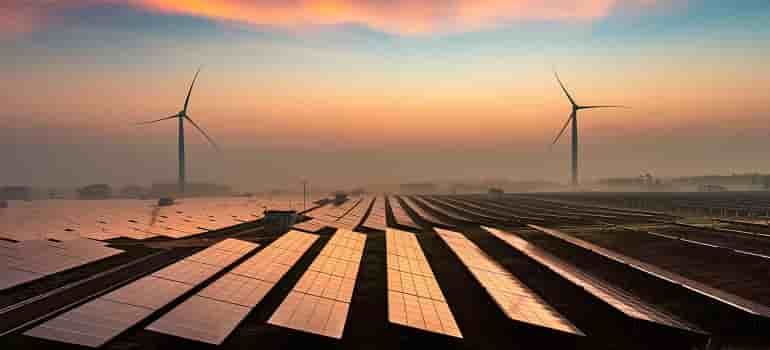
With over 75% of new national climate commitments including renewable energy targets, industry leaders warn that governments must move from ambition to action to unlock investment, accelerate deployment, and align with the 1.5°C goal.
As world leaders gather in New York for the UN Climate Action Summit, the spotlight is firmly on renewable energy and its role in reshaping the global economy. The latest round of national climate commitments (NDCs) has underscored this momentum: more than 75% now include quantified targets for renewable energy deployment, signalling a decisive shift toward tripling renewables by 2030.
The Global Renewables Alliance (GRA) has welcomed this progress, framing NDCs as more than climate pledges—they are economic blueprints. By embedding renewable energy targets into national strategies, governments provide the certainty needed for private investors and industries to mobilize capital, scale projects, and generate jobs. Ben Backwell, Chair of the GRA and CEO of the Global Wind Energy Council, noted that renewable energy is no longer just an environmental imperative but a cornerstone of future prosperity and energy security.
Yet, despite the optimism, a critical gap persists between ambition and action. While renewables already supply over 30% of global electricity and attracted a record $700 billion in investment in 2024, the pace still falls short of what is required to align with the 1.5°C climate goal. Bruce Douglas, CEO of the GRA, cautioned that “policy must now catch up with industry.” Governments, he stressed, must publish concrete technology-specific plans, accelerate permitting processes, scale finance for emerging economies, and prioritize grid and storage solutions.
The facts reinforce the urgency. Over 90% of new renewable projects now produce electricity cheaper than fossil fuels, saving global consumers an estimated $460 billion in 2024 alone. Meanwhile, fossil fuel volatility continues to expose economies to energy insecurity, underscoring renewables’ role as a stabilizing force. Kenya’s President William Ruto highlighted this imbalance, pointing to untapped solar, wind, and geothermal potential that far exceeds national demand.
The challenge ahead lies in translating commitments into delivery. Industry leaders warn that delaying action risks leaving countries behind in what is poised to be one of the greatest economic opportunities of the century. As the energy transition accelerates, governments face a defining choice: back their climate pledges with decisive policy frameworks—or risk losing ground in the race to a cleaner, fairer, and more resilient global economy.