

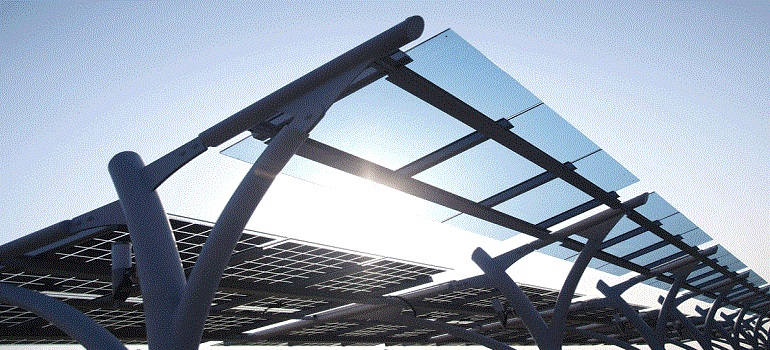
New technologies address dust-related efficiency losses and power outages, targeting faster payback and hassle-free solar adoption across key Indian states
Freyr Energy, one of India’s leading residential solar solution providers, has announced the launch of the country’s first intelligent self-cleaning solar systems along with next-generation hybrid solar solutions for homes. The new offerings are designed to tackle two of the most persistent challenges faced by rooftop solar users—dust accumulation on panels and frequent grid power disruptions.
Dust is a major factor reducing solar efficiency in India, with studies showing that power generation can drop by up to 30% if panels are not cleaned regularly. Freyr Energy’s Intelligent Self-Cleaning Solar System uses advanced sensor-based technology and water-efficient cleaning mechanisms to automatically maintain panel performance. According to the company, the system reduces water usage by nearly 90% compared to conventional cleaning methods, while eliminating the need for manual maintenance. The innovation is particularly relevant for dust-prone regions, where solar maintenance has traditionally been a barrier to adoption.
Alongside this, Freyr Energy has introduced its next-generation hybrid solar systems that combine grid-connected solar with battery storage. These systems ensure uninterrupted power supply during outages and enable intelligent energy management by storing surplus electricity for peak usage periods. The hybrid solutions are aimed at reducing household electricity bills while lowering dependence on the grid.
Commenting on the launch, Saurabh Marda, Co-Founder and Managing Director of Freyr Energy, said that states such as Uttar Pradesh, Madhya Pradesh, Maharashtra, Telangana, Andhra Pradesh and Kerala represent a critical opportunity for India’s residential solar growth. He noted that dust-heavy environments and changing weather patterns make self-cleaning technology increasingly essential, while hybrid systems enhance the economic and practical value of rooftop solar. According to the company, the combined solutions offer a payback period of just 3–4 years, supported by government subsidies and rising awareness of rooftop solar benefits.
Residential consumers adopting solar systems can also leverage a mix of central and state government incentives. Uttar Pradesh currently offers subsidies of up to ₹1 lakh, among the highest in the country, while Madhya Pradesh provides support of up to ₹78,000. In Kerala, state-backed assistance under the Soura programme complements the central government’s PM Surya Ghar Yojana, particularly for net metering arrangements. These incentives, combined with higher system efficiency, are expected to deliver free electricity for over 20 years after the initial payback period.
Freyr Energy has established a strong presence in the Telugu states, where it reports the highest number of residential solar installations. Nationwide, the company has completed over 12,500 installations with more than 120 MW of installed capacity, positioning it to contribute to India’s target of achieving 500 GW of renewable energy capacity by 2030.
The company is witnessing growing demand across multiple cities in Uttar Pradesh, Madhya Pradesh, Maharashtra, Kerala, Telangana and Andhra Pradesh, driven by rising electricity tariffs, concerns over dust-related maintenance, and the availability of hybrid backup solutions. Freyr Energy also operates 10 solar experience centres across India and claims to have empowered nearly seven lakh customers through awareness and adoption initiatives. With comprehensive after-sales support and flexible financing options, the company aims to accelerate residential solar adoption in urban and semi-urban markets.