

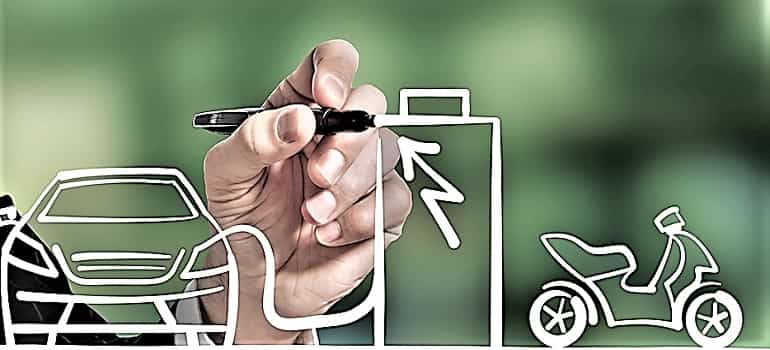
A government panel recommends a steep tax increase on luxury electric vehicles, raising concerns among automakers and potentially impacting India’s clean mobility goals.
India’s ambitious push for electric mobility is at a crossroads, as a government tax panel recommends significant hikes in the Goods and Services Tax (GST) on high-end electric vehicles (EVs). This move, if approved, could impact luxury brands like Tesla, Mercedes-Benz, and BMW, and potentially slow down the country’s clean mobility transition.
The tax panel has suggested increasing the GST on EVs priced between Rs 20 lakh and Rs 40 lakh from the current 5% to 18%. For vehicles above Rs 40 lakh, the proposal includes either an 18% GST or a new “luxury” slab of 40%. The rationale behind this recommendation is that these premium vehicles largely cater to the “upper segment” and are often imported, thus limiting benefits for the domestic manufacturing industry.
However, the proposal has drawn concern from industry leaders. Carmakers like Tata Motors and Mercedes-Benz have voiced their opposition, arguing that a tax hike could “derail the vision of high electric adoption and local production.” Tesla, which recently launched its Model Y in India, could also face complications with its market entry plans.
Chetan Maini, Co-founder & Chairman of SUN Mobility, believes a course correction in the EV taxation framework is necessary to unlock the next wave of growth. In a statement, he noted:
“India’s EV taxation framework needs correction to unlock the next wave of growth. While EVs attract just 5% GST, standalone batteries are taxed at 18%, a mismatch that creates an inverted duty structure and adds to the cost of OEMs and infrastructure players. Battery swapping and charging services are charged at 18%, which makes adoption expensive for gig workers, delivery riders, and fleet operators who are driving this transition on the ground. Rationalizing GST on standalone batteries, charging and swapping services to 5% would be a decisive step forward. It would improve affordability, accelerate adoption across two, three, and even larger vehicles, and enable innovative models like battery leasing and BaaS. Also, with GST on ICE vehicles expected to go down from 28% to 18%, will impact EV adoption and growth. It should be at the top of everyone’s collective agenda to put India firmly back on track to achieve its clean mobility vision, while creating economic opportunities and driving inclusive growth.”
Analysts have also weighed in, suggesting that a GST increase could hinder the growth of India’s nascent EV market. While EV sales have been rapidly expanding, a tax hike could slow down this momentum.
The final decision rests with the GST Council, which is set to review the recommendations on September 3–4. The outcome of this meeting will be a critical determinant of India’s future EV policy, defining whether the nation will continue to incentivize adoption across all price points or create a sharper divide between affordable and luxury EVs.